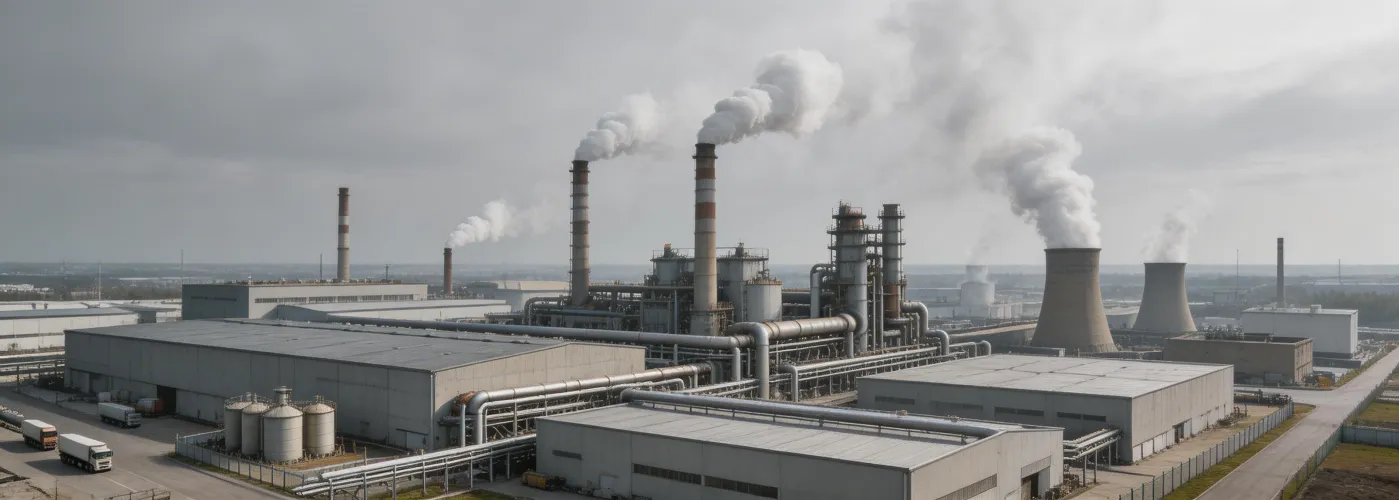
Industries Served by Burnham Boilers
Delivering reliable thermal solutions to the sectors that power modern infrastructure, from food processing to district energy networks.
Delivering reliable thermal solutions to the sectors that power modern infrastructure, from food processing to district energy networks.
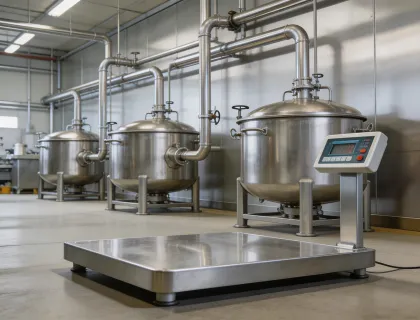
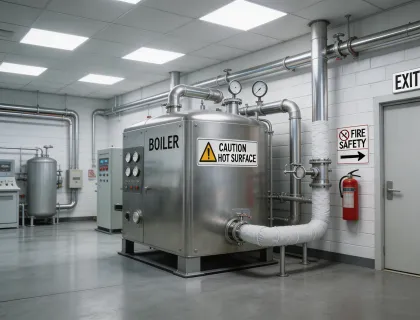
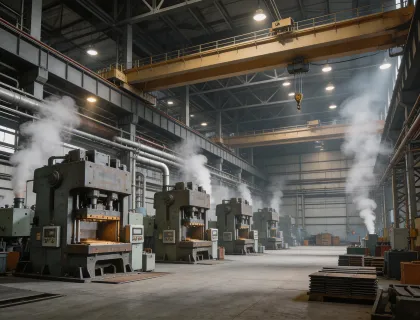

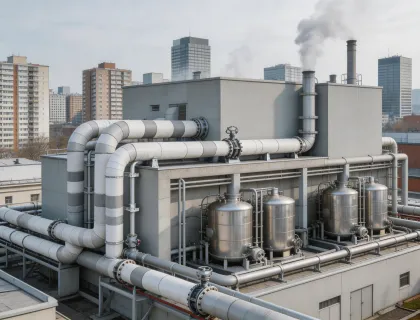
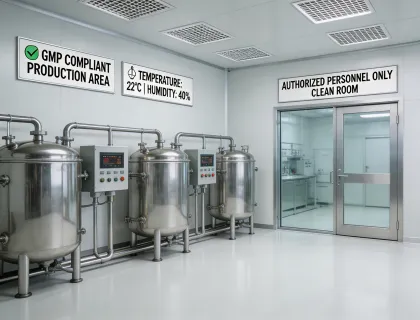
Choosing the right boiler type and configuration depends on your specific process requirements, fuel availability, and operating conditions. The table below summarizes key selection factors.
| Application | Recommended Type | Typical Capacity | Key Consideration |
|---|---|---|---|
| Food Processing (steam for cooking/CIP) | Fire-tube steam boiler | 100-400 HP | Must meet USDA sanitation standards; stainless steel trim required for direct food contact areas |
| Healthcare (autoclaves, humidification) | Dual-boiler plant with automatic failover | 150-300 HP per unit | Redundancy is mandatory for critical care; 15 psig steam typical for autoclave sterilization |
| Manufacturing (presses, dryers) | Water-tube boiler (high pressure) | 400-800 HP | Pressure above 150 psig often required; water treatment program critical to prevent tube scaling |
| Hospitality (space heating, DHW) | Condensing hot water boiler | 1-6 MMBTU/hr | Low return water temperature (<130F) maximizes condensing benefit; noise level is a design constraint near guest areas |
| District Heating (campus/municipal) | Multi-boiler cascade plant | 3-12 MMBTU/hr total | Lead-lag sequencing optimizes part-load efficiency; pipe heat loss increases with distribution distance |
| Pharmaceutical (pure steam, GMP) | Pure steam generator + clean steam boiler | 50-200 HP | Feedwater quality must meet USP standards; validation documentation required for GMP compliance |
Tell us about your facility and heating requirements. Our engineers will recommend the right boiler and burner configuration for your specific application.
Discuss Your Project