-
My argument: verification is cheaper than regret
- Argument 1: The surface looks like savings; the reality is deferred cost
-
Argument 2: OEM documentation separates a boiler from a box
-
Argument 3: Biomass and coal projects fail on fuel reality, not brochure efficiency
-
The pushback: “We do not have time to check everything”
-
What I would do if I were buying today
My argument: verification is cheaper than regret
If you are buying a boiler, a CFB power plant package, or a biomass power generation system, the cheapest first quote is usually the most expensive decision you can make. I say that as someone who reviews specifications and supplier submittals for a living, not as a salesperson. The price on the proposal is the start of the cost conversation. It is not the end.
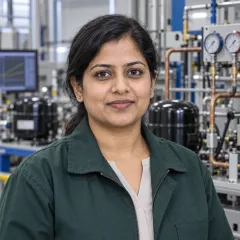
I am the quality and brand compliance manager at Burnham, a heating equipment company. I review every boiler specification and supplier submittal before it reaches customers—roughly 240 packages a year. Over the past four years, I have rejected about 17% of first deliveries in 2024 due to missing pressure ratings, mismatched controls, or vague emissions documentation. That number is not a knock on suppliers. It is a knock on how procurement teams buy when they are under time pressure.
Look, I get it. Projects run late. Budgets are tight. Someone sends a quote for a high efficiency circulating fluidized bed boiler for sale and the number looks good. But here's the thing: a quote without verification is just a promise with a logo on it.
Argument 1: The surface looks like savings; the reality is deferred cost
From the outside, a low-cost coal fired boiler supplier looks like the efficient choice. The reality is that the first invoice often hides fuel flexibility limits, emissions compliance risk, controls integration work, and outage exposure. Those costs do not disappear. They move to a later budget line, usually with interest.
I learned this in Q1 2024 during a quality audit of a commercial boiler package. The paperwork looked fine until we compared the pressure-part certification against the order spec. The data report was missing a required traceability section. Normal tolerance for documentation? Zero. The vendor claimed it was within industry standard. We rejected the package. They redid the paperwork, but the delay pushed commissioning by 11 days. That quality issue cost us a $22,000 redo between expedited freight, field labor, and schedule recovery. Five minutes of checking would have caught it before the order was released.
That is the prevention-over-cure argument in one story. The cheapest moment to fix a problem is before the purchase order goes out.
Emissions claims need evidence, not adjectives
If you are evaluating an eco-friendly hot water boiler supplier, ask for the test data behind the word eco-friendly. The FTC Green Guides are fairly clear here. Per the FTC Green Guides (16 CFR Part 260), environmental claims like “eco-friendly” or “renewable” must be substantiated and clearly qualified. Source: ftc.gov/green-guides.
Per the FTC Green Guides (16 CFR Part 260), environmental claims like “eco-friendly” or “renewable” must be substantiated and clearly qualified. Source: ftc.gov/green-guides.
So what does that mean in practice? It means the supplier should show you emissions test reports, fuel specifications, efficiency curves at your expected load, and any limitations that affect the claim. If they cannot, that is a red flag. Not a deal-breaker automatically, but a red flag.
Argument 2: OEM documentation separates a boiler from a box
When you talk to a CFB power plant boiler OEM, you are not just buying steel and refractory. You are buying traceability, engineering assumptions, controls logic, performance guarantees, and a service model. A high efficiency circulating fluidized bed boiler for sale might have excellent thermal performance on paper. But who validates the fuel feed system? Who owns the startup curve? Who provides the pressure-part documentation?
Here's what I check before I sign off on any industrial boiler and steam systems package:
- Pressure-part material certificates and traceability to the heat number.
- Performance test data at specified load ranges, not just peak efficiency.
- Controls integration details, including communication protocols and fail-safe behavior.
- Emissions compliance documentation for the actual fuel and local jurisdiction.
- Spare parts list and lead times for critical components.
- Warranty terms written in plain language, with exclusions and maintenance requirements stated.
That list is not glamorous. It is not the part of the project that gets applause. But it is the part that keeps a plant running. A missing item on that list can turn a good boiler into a maintenance nightmare.
Argument 3: Biomass and coal projects fail on fuel reality, not brochure efficiency
Never expected the biggest surprise in a biomass power generation review to be moisture tolerance, not boiler efficiency. The boiler looked great on the performance sheet. The fuel handling and combustion assumptions were the weak point. Biomass varies—chips, pellets, agricultural residue, moisture content, ash chemistry. If the supplier designs for an average fuel and you feed it a bad batch, the boiler does not care that the brochure said high efficiency.
The same logic applies to coal. A coal fired boiler supplier may quote a lower fuel cost per ton, but total cost includes emissions controls, ash handling, fuel preparation, and compliance testing. The “coal is always cheapest” thinking comes from an era when emissions controls were minimal. That has changed. In many markets, the compliance and fuel flexibility penalties are large enough to change the entire project economics.
I have mixed feelings about rush procurement. On one hand, projects need speed. On the other, speed is where verification gets skipped. Then again, a two-week delay for documentation review is usually cheaper than a two-month outage.
The pushback: “We do not have time to check everything”
This is the objection I hear most often. It is fair. You cannot verify everything to the same depth. But you do not need to. You need a risk-based checklist. High-pressure parts, emissions claims, controls compatibility, and warranty terms are not optional. Paint color and shipping label formatting are optional, at least for now.
Another pushback: “The supplier is reputable, so we can trust the paperwork.” Reputation helps. It does not replace review. In my experience, even good suppliers make documentation mistakes when they are busy. The question is not whether they are honest. The question is whether the submittal matches your specification. Those are different tests.
And no, this is not an argument against heat pumps or any other technology. Heat pumps are a strong fit for many low-temperature applications. But they are not a universal replacement for every boiler and steam systems application, especially where process steam or high-temperature duty is required. This is not a technology loyalty issue. It is a load-matching and due-diligence issue.
What I would do if I were buying today
If I were specifying an eco-friendly hot water boiler supplier package, a CFB power plant boiler OEM scope, or a biomass power generation system, I would build verification into the schedule. I would ask for documents before the order, not after. I would make the supplier's payment milestones depend on submittal approval. I would require a pre-commissioning checklist signed by both sides.
The ballpark cost of a basic documentation review is small. A few hours of engineering time. The cost of a missed specification is not small. It is rework, delay, and sometimes a safety issue. Bottom line: prevention is not paperwork for its own sake. Prevention is how you protect the project budget from the hidden costs that never show up in the first quote.
At Burnham, we live in the residential and commercial boiler world—boilers, boiler parts, and heating accessories. We are not a utility-scale CFB OEM, and I will not pretend otherwise. But the quality discipline is the same whether you are buying a small commercial hot water boiler or a high efficiency circulating fluidized bed boiler for sale. The details matter. The documentation matters. The verification matters.
This was accurate as of Q1 2025. Emissions rules, fuel prices, and boiler lead times change fast, so verify current prices, policies, and standards before you budget.
My position is simple: the extra hour you spend checking specifications is the cheapest insurance policy in boiler procurement. The supplier who survives that check is the one worth signing with. The one who avoids it is the one who will cost you later.